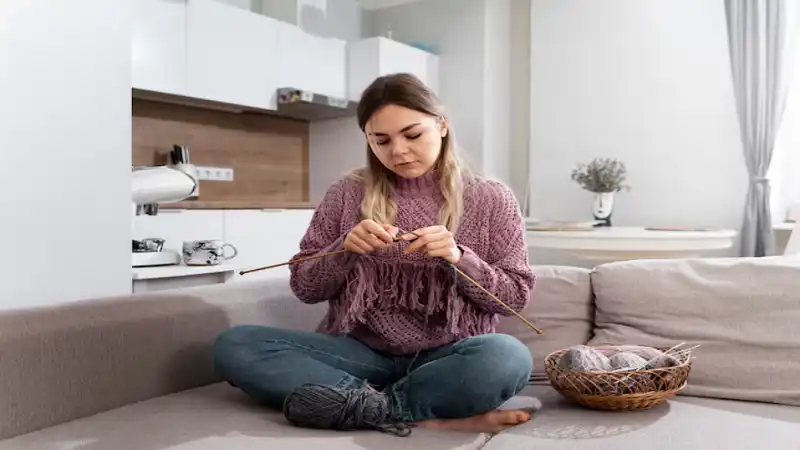
Knitting and crocheting are enjoyable crafts that allow people to turn simple materials into useful and beautiful items. From warm scarves and blankets to decorative pieces and handmade gifts, these crafts offer many opportunities for creativity. Choosing suitable yarn is one of the most important steps because the type, thickness, texture, and color of yarn can influence the final result.
Hobbii is a name familiar to many people interested in yarn and fiber crafts. It is associated with a wide range of materials and products used for knitting, crocheting, embroidery, and other creative activities. However, beginners do not need to feel overwhelmed by the many choices available. Understanding basic yarn categories and learning how to select materials for different projects can make crafting much easier.
This guide explains important things to consider when choosing yarn, planning a project, caring for handmade items, and developing better crafting habits.
Understanding Yarn Types
Yarn is available in many different materials. Each material has characteristics that make it suitable for particular projects.
Wool Yarn
Wool is a popular natural fiber known for warmth and elasticity. It is often used for sweaters, winter hats, scarves, socks, and blankets. Wool can also be comfortable to work with because it has some natural stretch.
One important point is that wool may require careful washing. Some wool products can shrink or lose their shape if they are exposed to hot water or rough washing methods.
Cotton Yarn
Cotton is lightweight, breathable, and generally easy to maintain. It is commonly used for summer clothing, dishcloths, bags, baby items, and home decorations.
Because cotton has less elasticity than wool, it may behave differently while being knitted or crocheted. Beginners should pay attention to their tension when working with it.
Acrylic Yarn
Acrylic is a synthetic fiber that is widely used for different types of craft projects. It is often affordable, available in many colors, and relatively easy to care for.
Acrylic yarn can be useful for beginners because it allows them to practice techniques without requiring especially complicated maintenance.
Blended Yarn
Blended yarn combines two or more fibers. For example, a yarn may contain wool and acrylic or cotton and another synthetic fiber. Blends are designed to combine useful qualities from different materials.
When choosing a blend, read the fiber information carefully. Understanding what the yarn contains can help you decide whether it is appropriate for clothing, accessories, decorations, or other projects.
Choosing the Right Yarn for a Project
Selecting yarn should begin with the project itself rather than with color alone. A beautiful color may attract attention, but it may not be the best choice for the intended item.
Hobbii products and other yarn collections can include different weights, fibers, and textures, so understanding these categories is helpful when making a selection.
First, consider how the finished item will be used. A blanket intended for cold weather may require a warm and thick fiber, while a summer top may be more comfortable when made with a breathable material.
Next, consider the pattern requirements. Many knitting and crochet patterns recommend a specific yarn weight and provide information about the amount needed. Following these recommendations can make it easier to achieve the expected size and appearance.
Understanding Yarn Weight
Yarn weight describes the thickness of the yarn. It is important because thickness affects the size, texture, and appearance of stitches.
Common yarn weights range from very fine yarns to very thick varieties. Fine yarn can be suitable for delicate garments and detailed designs, while thicker yarn can be useful for blankets, winter accessories, and projects that need to be completed more quickly.
Always check the yarn label for information about its weight. The recommended needle or hook size is also usually included.
The Importance of Color Selection
Color is one of the most enjoyable parts of planning a craft project. However, selecting colors requires more than choosing a favorite shade.
Think about how different colors will work together. A project using several colors can have a balanced appearance when the shades complement one another.
For larger projects, making a small sample can be useful. This allows you to see how the colors look together before purchasing or using a large quantity of yarn.
Lighting can also affect how colors appear. A shade may look different under natural daylight compared with indoor lighting, so it is useful to consider the environment in which the finished item will normally be seen.
Reading a Yarn Label
A yarn label provides important information that should not be ignored. Before beginning a project, examine the label carefully.
Important details may include:
- Fiber composition
- Yarn weight
- Recommended needle size
- Recommended crochet hook size
- Washing instructions
- Length or yardage
- Weight of the yarn
- Suggested tension or gauge
This information can help you estimate how much yarn you need and determine whether a particular yarn is suitable for your pattern.
If you need several balls or skeins for one project, checking dye-lot information can also be useful when working with yarn that has been dyed in batches. Slight color differences may occur between different batches.
Planning Before You Start
Good preparation can prevent many common crafting problems. Before beginning, read the complete pattern instead of immediately starting the first row.
Make a list of the materials required, including yarn, needles or hooks, stitch markers, scissors, measuring tools, and a tapestry needle if necessary.
It is also useful to organize your materials before starting. Keeping everything in one place reduces interruptions and makes the crafting process more comfortable.
Hobbii can be a useful reference point for people exploring the variety of yarn and craft materials available, but the same basic selection principles apply regardless of where materials are purchased.
Making a Gauge Swatch
A gauge swatch is a small sample made before beginning the main project. It helps determine whether your tension matches the pattern instructions.
Gauge matters because two people can use the same yarn and needle size but produce slightly different stitch sizes. One person may knit or crochet more tightly, while another may work more loosely.
If your gauge does not match the pattern, you may need to change your needle or hook size. A small adjustment at the beginning can prevent a large sizing problem later.
For clothing and fitted projects, checking gauge is particularly important.
Caring for Handmade Items
Finished handmade items can last for many years when they are cared for properly.
Always follow the washing instructions provided for the yarn. Some items can be machine washed, while others require hand washing or special treatment.
Avoid unnecessary heat when caring for fibers that can shrink or become damaged. After washing, reshape the item gently if the care instructions recommend it.
Storage is also important. Keep handmade pieces clean and dry, and fold them rather than hanging heavy knitted garments, which can stretch over time.
Avoiding Common Beginner Mistakes
Beginners often make mistakes, and this is a normal part of learning. Several common problems can be avoided with a little preparation.
One frequent mistake is choosing yarn based only on its appearance. A yarn may look attractive but still be unsuitable for a particular pattern.
Another mistake is failing to check the gauge. This can result in a finished item that is too large or too small.
Some beginners also buy too little yarn. Checking the pattern’s recommended quantity before starting is a simple way to avoid this issue.
It is also important not to rush. Learning new stitches takes practice, and correcting a small mistake early is usually easier than fixing a large section later.
Making Crafting More Enjoyable
Crafting should be relaxing as well as productive. Choose projects that match your current skill level while allowing you to learn something new.
Beginners might start with simple scarves, small blankets, washcloths, or basic accessories. As their skills improve, they can move toward more complicated patterns.
Keeping notes about completed projects can also be helpful. Record the yarn type, hook or needle size, pattern, and any changes you made. These notes can make future projects easier to plan.
Hobbii is one example of the broader world of modern craft supplies, where different fibers, colors, tools, and patterns give crafters many ways to experiment.
Final Guidelines for Choosing Yarn
Before starting a knitting or crochet project, consider these basic guidelines:
- Read the pattern carefully. Check the recommended yarn weight and quantity.
- Understand the fiber. Choose a material that suits the purpose of the finished item.
- Check the yarn label. Look for weight, length, care instructions, and recommended tools.
- Make a gauge swatch. This is especially important for clothing and fitted items.
- Plan your colors. Consider how different shades will look together.
- Buy enough yarn. Estimate your requirements before starting.
- Store materials properly. Keep unused yarn clean, dry, and protected.
- Practice patiently. Skill improves through repetition and experimentation.
Conclusion
Knitting and crocheting are practical and creative hobbies that can be enjoyed by people of many different skill levels. Choosing the right yarn is an important part of the process, but it becomes much easier when you understand yarn fibers, weights, colors, labels, and care requirements.